Health Emergency Preparedness
Prepared today, resilient tomorrow.
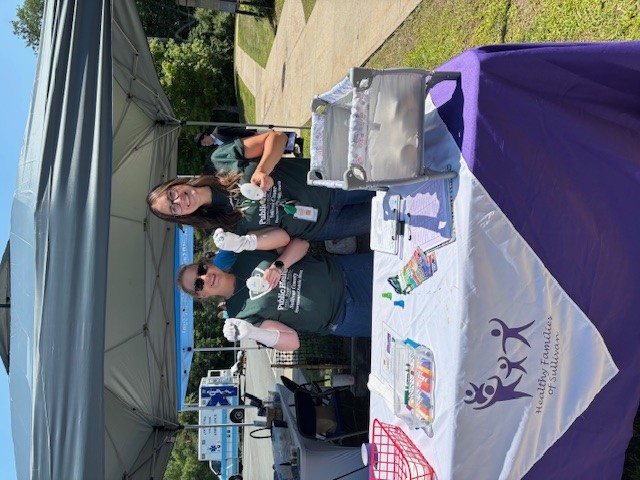
Readiness isn't built in an emergency, it's built every day. Emergency preparedness practices are embedded in to every program at Public Health.
Children and Youth with Special Health Care Needs (CYSHCN)
Call 845-292-5910 for more information about our CYSHCN program!
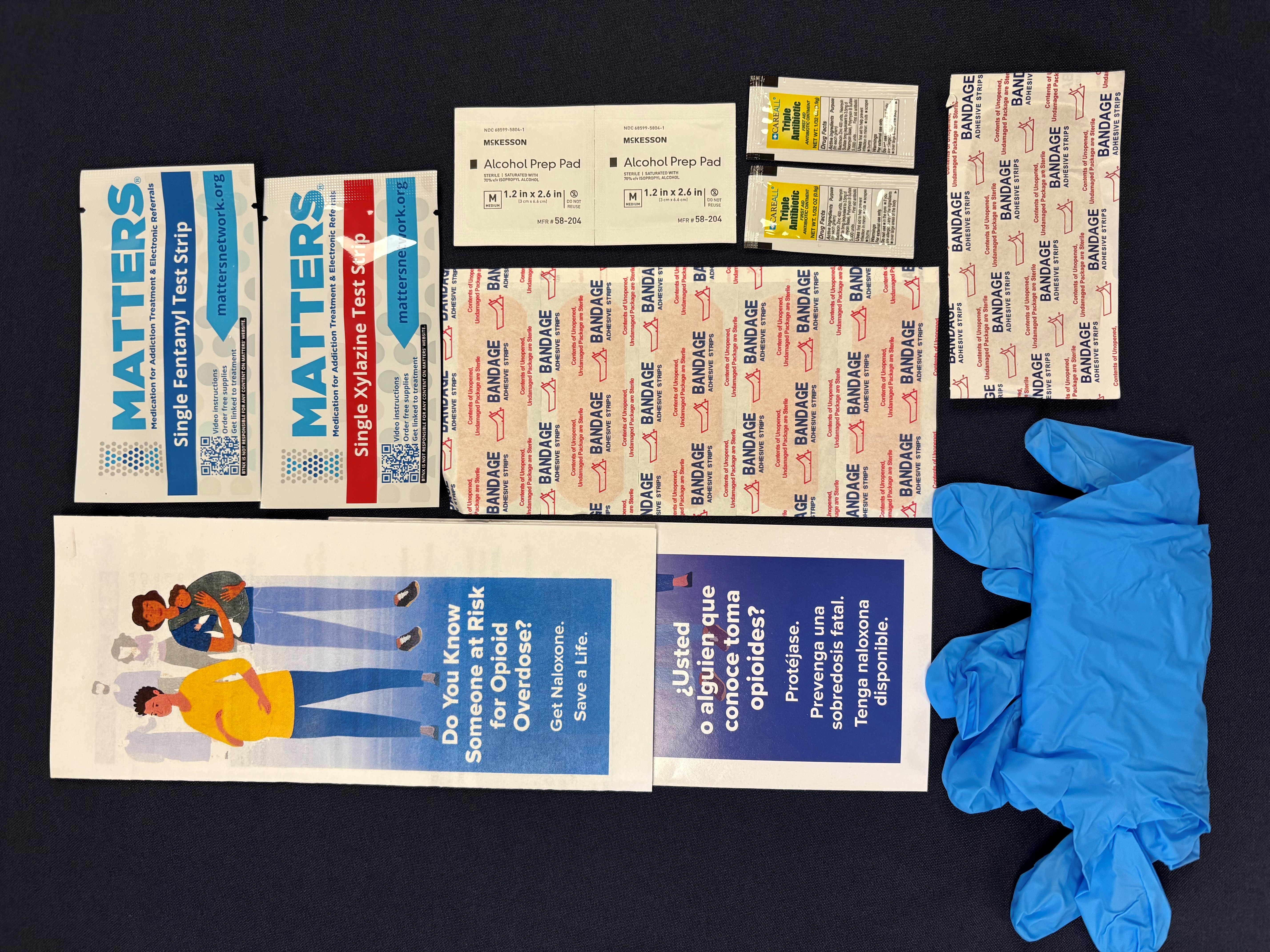
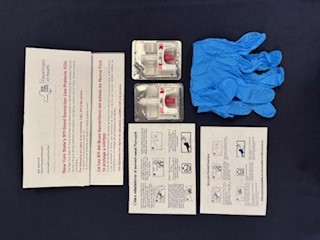
Contact PublicHealthEducation@sullivanny.gov to schedule a free Narcan training!
Disease Control
Call 845-292-5910 to preregister for upcoming rabies clinics!
*Our disease control team actively monitors local and state reports and will notify the public of concerning trends and best practices to keep our community safe.
Child Passenger Safety Program
Call 845-292-5910 ext. 2271 to schedule a car seat check appointment, or for more information on upcoming car seat events.
Public Health provides lead poisoning prevention education and follow up case management. Visit our Lead Poisoning Prevention page for call 845-292-5910 for more information.
Call Public Health for more information on Sullivan Safe Sleep education and resources!
What is an emergency and how can I be prepared?
Examples of emergencies are natural disasters (like a flood or winter storm), power outages, widespread outbreaks of disease, and terrorist acts. Emergencies can happen quickly and without warning.
You can prepare yourself and your family by:
- Developing an emergency plan
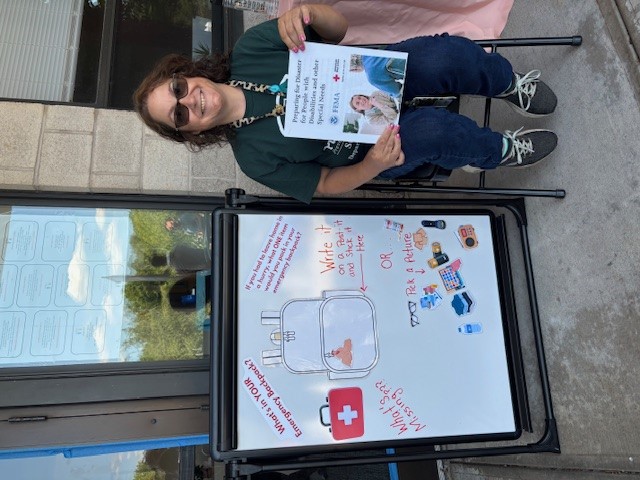
- Preparing a portable collection of emergency supplies that you can use at home or at work.
Read more at NYSDOH Aware Prepare: Natural Disasters. Epidemics. Terrorism.
How do I develop an emergency plan for my family?
Go to Make A Plan (Ready.gov) to learn how to make a plan. Remember: emergencies can happen anywhere. Learn about plans at your workplace and anywhere else you and your family spend time.
- If anyone in your household uses life-sustaining equipment such as a kidney dialysis machine or respirator, contact your utility company. Your utility can tell you how to prepare for power outages.
What type of emergency supplies will I need?
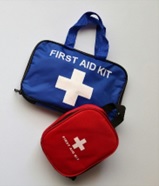
You should plan to store enough food, water, and personal necessities for 3 to 4 days.
- Consider making two kits. In one, put everything you will need to stay in your home. The other should be a lightweight, smaller version you can take with you if you have to leave.
- Also, remember that electricity, water, heat, air conditioning, or telephone services may not work during an emergency.
See this refrigerator guide for a checklist of items: Aware Prepare Refrigerator Guide (pdf)
Related Links
Federal Emergency Management Agency (FEMA)