Promoting Prevention, Detection, and Treatment of STIs and HIV
Sullivan County Department of Public Health offers free and anonymous rapid HIV testing. The Sexually Transmitted Infection Program also provides education and referrals for treatment of other sexually transmitted infections (STIs).
- Rapid HIV Testing (free and anonymous)
- Discrete pickup of FREE condoms.
For more information, please call us at 845-292-5910 ext. 0. To schedule a rapid HIV test, ask to speak with the HIV testing department. You do not need to give your name.
Rapid HIV Testing FAQs
I need my results for insurance purposes. Can I give my name if I want?
- Yes, SCPH offers both anonymous (no name) or confidential testing. Confidential testing means a name is used, but the information is protected by law.
How much does it cost?
- The test is free.
What happens at the appointment?
The whole process takes about 30-45 minutes.
When you arrive, you will have a seat in a waiting area. You do not have to give your name. The next available nurse will invite you to a private room.
The nurse will spend a few minutes talking to you to answer your questions, understand your risk, and provide information on future testing, precautions, and care in case the test results are positive.
You will sign a consent, and then the test will be provided. In most cases, you will receive your results in 20 minutes.
The nurse will review your results with you and answer any questions you have. If your test results are positive, you will receive plenty of support and information. You are also welcome to call on the phone or come in again to talk further with a nurse.
General STI FAQs
What is an “STI”?
STI is short for "sexually transmitted infection". You may have heard the term “STD” (sexually transmitted disease) or “VD” (venereal disease). Some examples of STI’s are chlamydia, gonorrhea, herpes, and syphilis. For more information: Sexually Transmitted Infections (STIs) | STI | CDC
How can I reduce my risk of STI's?
Some things you can do are:
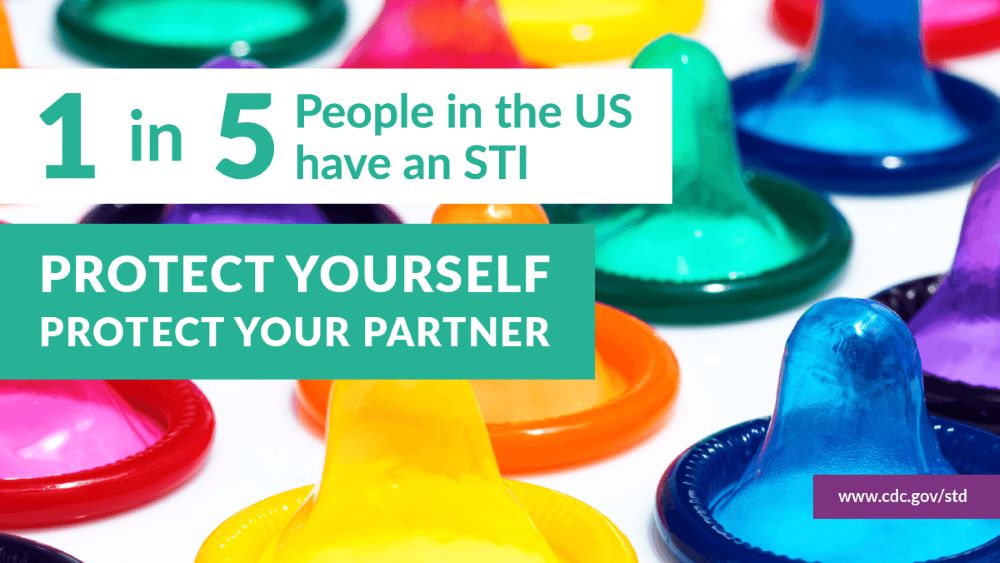
Use a condom
Get yourself and your partner(s) tested regularly
Ask your healthcare provider about vaccines for HPV, MPOX, Hepatitis A and B, and N. meningitidis
For more information and ways to reduce your risk, go to NYSDOH Sexual Health: Prevention
How do I know if I need treatment for an STI?
You should seek testing and treatment if your sexual partner(s) has been diagnosed with an STI, or if you are experiencing symptoms like:
Discharge from the penis or vagina
Burning
Itching
A sore or sores (painless or painful).
Why should I see a doctor about my sexual health?
STI’s often have no symptoms. You may want to get tested even if you don’t have symptoms. For testing recommendations see Getting Tested for STIs | CDC.
Seeing a doctor can also help find certain cancers early on and help you with other sexual health concerns. For more information about talking to your doctor: NYSDOH Sexual Health: Talk.
Where can I get more information on family planning?
New York State offers sexual and reproductive health services. Read more about services or find a New York State Title X-funded Family Planning clinic at this link: Comprehensive Family Planning and Reproductive Health Care Services Program